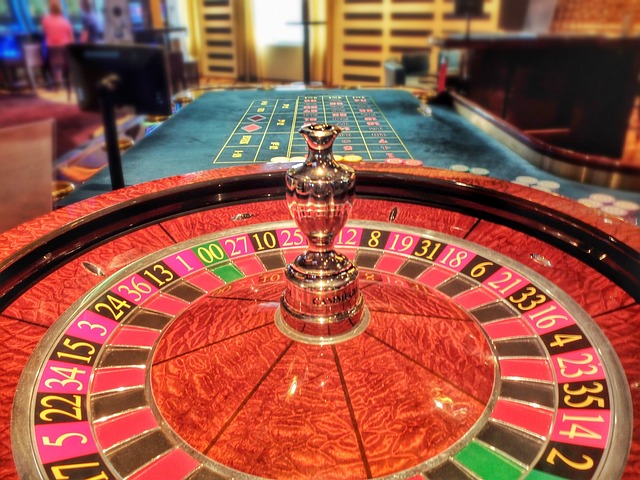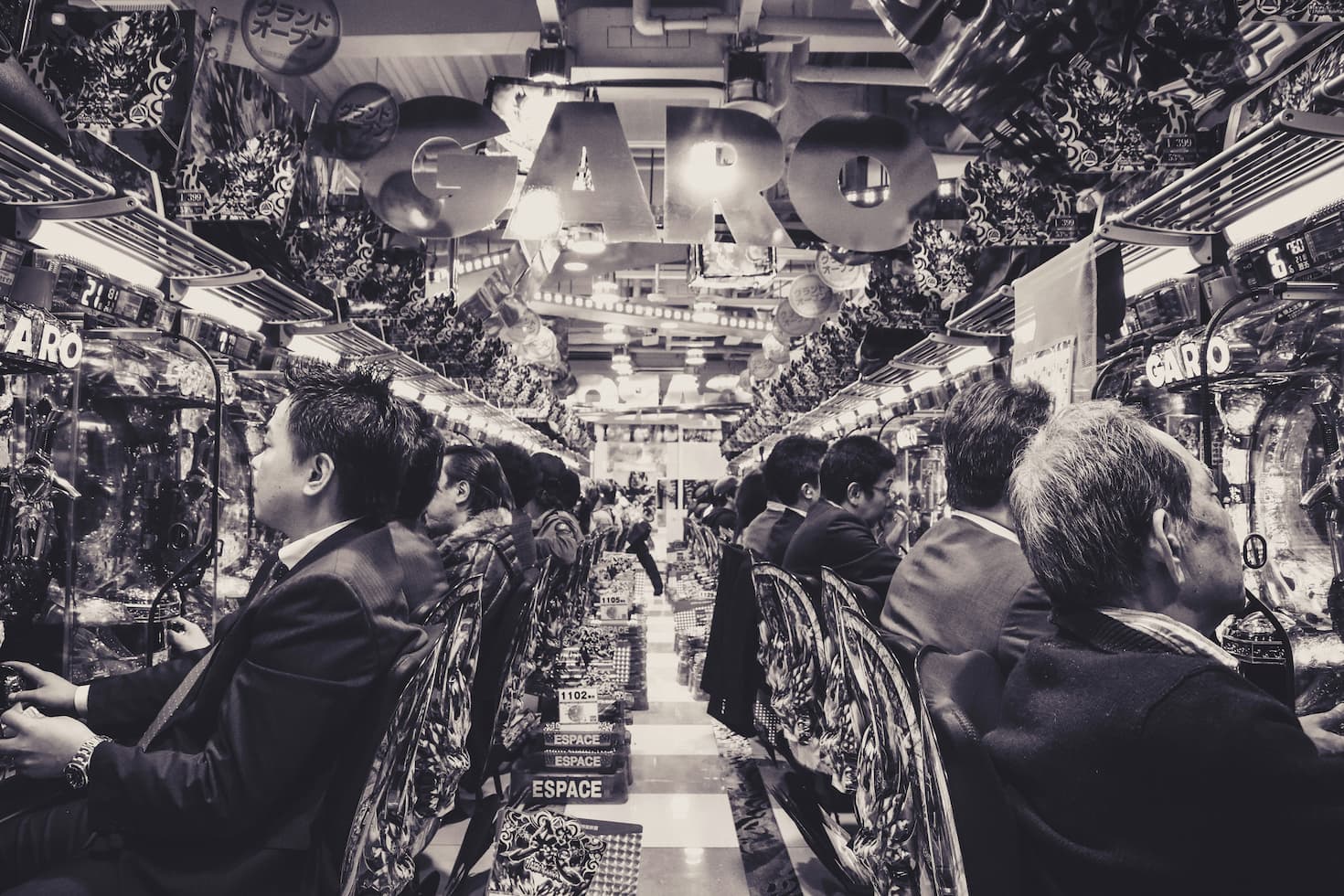
Going into a casino at night is more than just entering a game hall. Every detail is carefully planned. The carpets, the walls, and the air itself are chosen with intent. Players may think they are making free choices, but they are also subjects in a subtle experiment. Online casinos like National Casino login are designed not only to host games but to test how humans react to certain conditions.
The Glow That Never Fades
One striking feature is the light. Bright, artificial, and constant. Unlike homes or streets, casinos avoid the rhythm of natural time. No dawn, no dusk, no reminder that hours are passing. The goal is simple. If people forget the hour, they stay longer. The light is soft but bright enough to stay awake. It makes the night feel long and calm.
Sounds That Tell Stories
The music is not random. Neither are the chimes and jingles from machines. Every sound is placed with purpose. Upbeat tunes set a mood of energy. The ringing of slots tells players that wins are happening nearby, even if small. These cues encourage more play. Silence would reveal fatigue. Instead, the casino hums like a living creature, always awake, always calling.
The Vanishing of Time
Look around, and you will not see clocks. The absence is not an oversight. It is a strategy. Without a clock, players lose the ability to mark progress. Minutes blur into hours. The outside world fades. Even architecture plays a part. Twisting paths and enclosed spaces make it hard to sense direction.
A Social Stage
Casinos are not only about individuals. They are about groups. Each table, each row of slots is a stage where people perform. Laughter, sighs, cheers—all are part of the show. The presence of others changes how one behaves. A person may bet more when friends are watching. A crowd’s cheer after a jackpot sparks more spins nearby. The experiment is both private and public at once.
The Pull of Night Energy
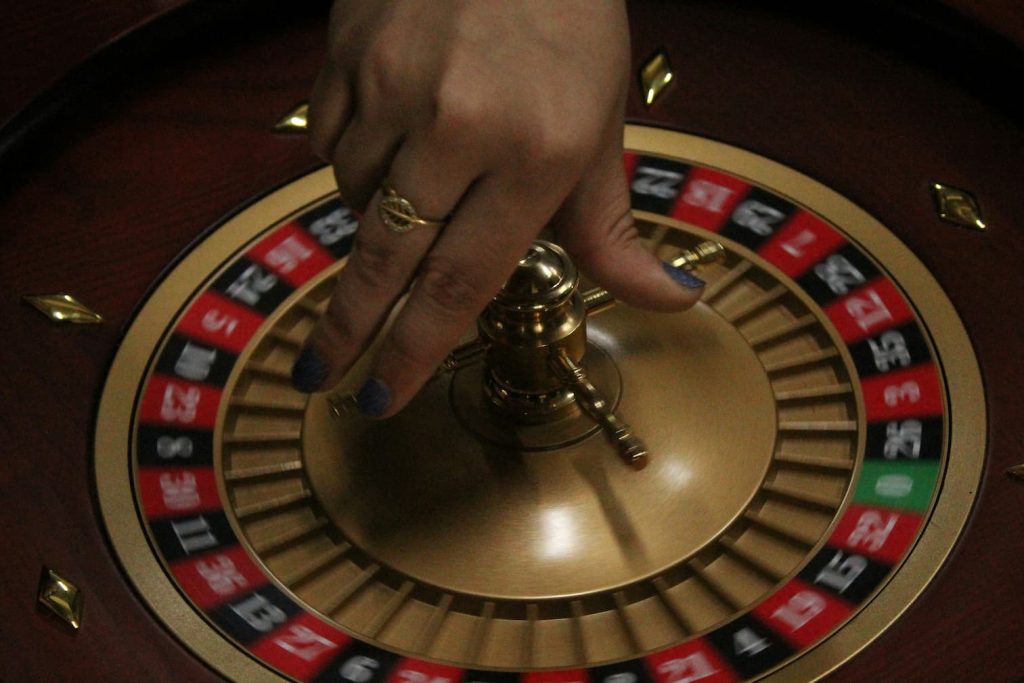
Night adds another layer. People behave differently after dark. In many, risk tolerance rises. Tired minds make quicker, looser decisions. The casino takes advantage of this. Late hours blend with flashing lights, giving a sense that anything is possible. Some guests enter at midnight and feel surprised when they step outside into daylight. The line between night and morning dissolves.
The Role of Comfort
Comfort is a tool. Chairs are cushioned. Drinks flow easily. Staff smile and greet. The design gives a sense of care, even luxury. Yet this comfort serves another role: it lowers guard. When people feel at ease, they stay. The longer they stay, the more they play. It is hospitality, but also a method of control.
Experiment Without Consent
One could argue this is science in action. Variables are tested: light, sound, and layout. Outcomes are tracked: playtime, money spent, and return visits. But unlike in a lab, players do not sign consent forms. The experiment is hidden. It is part of the attraction itself. People come for fun, but they also become subjects of an ongoing behavioral study.
The Illusion of Control
Casinos thrive on making players feel in charge. Button presses, lever pulls, chips stacked neatly—these actions give the sense of control. Yet many games are chance-driven. The illusion is powerful. Add lights and sounds, and the feeling deepens. Players may think they are guiding fate when, in truth, the game is guiding them.
A Place Without Sleep
Casinos rarely close. The cycle of day and night is broken. This creates a new kind of world, one that exists outside natural limits. For some, it feels freeing. For others, it can be dangerous. A person might lose sleep, lose track of days, or even lose touch with reality. The social experiment stretches beyond play and touches health itself.